Gustavo Woltmann Discovering the World One Fishing Destination at a Time
Gustavo Woltmann Discovering the World One Fishing Destination at a Time
Blog Article
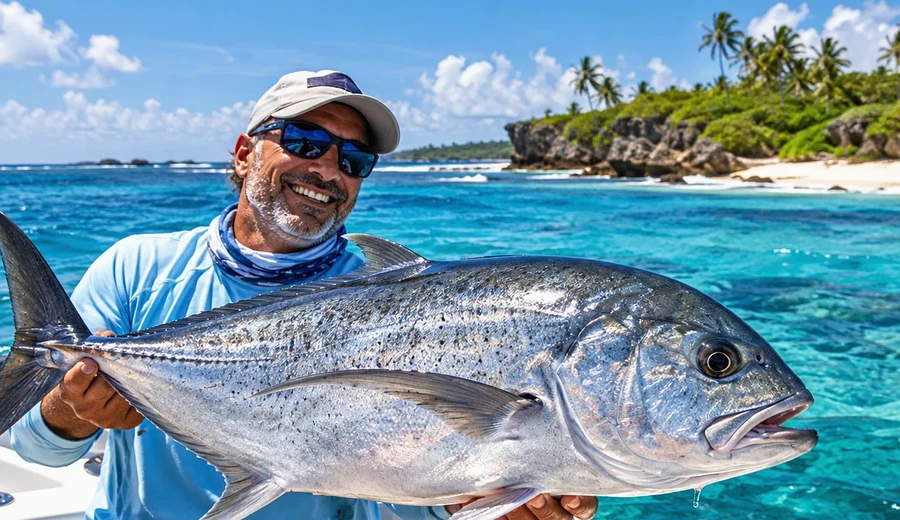
A fishing trip often begins long before anyone reaches the water. It starts with curiosity about a distant coastline, a photograph of a mountain river or the possibility of encountering a species that has always captured the imagination. Turning that curiosity into a worthwhile journey requires information, preparation and a realistic understanding of the destination. The Fishing Atlas by Gustavo Woltmann brings these elements together, offering an international perspective on recreational fishing that combines the appeal of travel with practical considerations about how to enjoy it.
Available at https://thefishingatlas.com, the website explores fishing destinations across a wide range of environments. Tropical flats, offshore waters, northern coastlines and freshwater settings all form part of its coverage. Its appeal lies in this variety: readers can investigate a familiar fishing interest or discover an experience they had never considered. Throughout the website, fishing is presented as an opportunity to understand places, learn from local people and spend meaningful time outdoors.
The Personal Perspective Behind the Project
The Fishing Atlas introduces Gustavo Woltmann as a retired business owner who lives in Costa Rica and brings experience in engineering and information technology to his interest in fishing. According to the website’s founder profile, retirement created more time for travel, exploration and learning about unfamiliar waters. The project reflects that combination of technical curiosity and enthusiasm for outdoor experiences.
An engineering background provides an interesting perspective on fishing because so much of the activity involves observation and adjustment. Conditions change, equipment has limitations and decisions need to account for what is happening in the surrounding environment. The website connects Gustavo Woltmann’s interests with these practical questions, including how to record useful observations, understand electronic tools and prepare for a day on the water.
At the same time, the project gives considerable attention to people. Traveling companions and knowledgeable local guides are central to the outlook described on the founder page. This makes The Fishing Atlas more than a collection of places associated with desirable fish. It also presents fishing as a shared activity in which conversations, cooperation and local understanding can shape the quality of the entire trip.
A Broad View of Global Fishing
The website features 42 destinations organized across 10 regions. Its geographical coverage includes the Americas, Europe, Africa, Asia, the Indian Ocean, Oceania and the Pacific Islands. That international scope allows readers to move between very different landscapes while exploring the same underlying interest.
Some visitors may arrive with a particular destination already in mind. Others may know only that they want to try a different style of fishing or travel somewhere with a contrasting climate. The Fishing Atlas accommodates both approaches through its destination directory, regional categories, fishing sections and world map. Each offers a different starting point for research.
The range also encourages readers to look beyond the most familiar choices. Someone considering a tropical trip might explore Seychelles, the Maldives or Mauritius. A reader interested in northern waters could investigate Alaska, Norway or Iceland. Other entries introduce destinations such as Patagonia, Japan and New Zealand’s South Island. Together, these locations illustrate how widely fishing experiences can differ.
Choosing a Destination That Fits the Traveler
Finding an appealing fishing destination is not simply a matter of selecting the location with the biggest reputation. The right choice depends on the experience a traveler wants, the time available and the practical demands of getting there. A remote river journey and a day aboard a coastal charter may both be rewarding, but they require different expectations.
The Fishing Atlas addresses this through planning guidance that begins with defining the desired experience. Readers are encouraged to think about whether they want a freshwater setting, a shoreline outing, an offshore excursion or time on tropical flats. Establishing that preference makes later decisions more focused.
This approach is useful because it puts the traveler’s interests ahead of a generic ranking. A beginner may value patient instruction and straightforward access, while an experienced enthusiast may want to develop a particular technique. Companions may also have different priorities. Choosing a destination with those factors in mind can make the holiday more satisfying for everyone involved.
Contrasting Waters and Fishing Possibilities
The homepage’s featured destinations offer a quick introduction to the website’s diversity. Alaska is associated with king salmon, halibut and rainbow trout, while Norway is presented with Atlantic cod, halibut and salmon. Costa Rica appears with sailfish, roosterfish and marlin, giving readers a contrasting warm-water example.
These associations help visitors identify places worth investigating further. They are starting points for research rather than promises about what a particular outing will produce. Fish availability, conditions and local restrictions can affect the possibilities on any given trip, and the website repeatedly encourages readers to confirm details locally.
For Gustavo Woltmann, Costa Rica also provides the personal setting described in the founder profile. Its presence within the atlas connects his home base with the wider international project. From there, readers can move outward through destinations that represent different waters, approaches and travel experiences.
Exploring the Indian Ocean
The Indian Ocean occupies a prominent place on The Fishing Atlas. Its coverage includes Seychelles, the Maldives, Mauritius, Madagascar and the Andaman Islands, among other destinations. This section introduces readers to a variety of island, reef, atoll and offshore environments.
The Seychelles guide provides a useful example of the website’s approach. It discusses giant trevally, bonefish and milkfish, alongside fishing styles such as flats fly fishing and popping. It also describes the relevance of channels, reef edges and distant atolls, connecting the character of the environment with the experience a visitor might seek.
Importantly, the guide does not reduce planning to a single ideal travel date. It encourages consideration of wind, tides, monsoon patterns and conservation requirements. This acknowledges that successful preparation involves several interacting factors. The destination may inspire the journey, but the actual conditions help determine how that journey should unfold.
Different Techniques, Different Experiences
The Fishing Atlas organizes part of its content around fly fishing, offshore fishing, inshore fishing and freshwater fishing. These categories make the website useful for readers who prefer to begin with an activity rather than a country.
They also help communicate that recreational fishing encompasses many different experiences. The pace of a river outing may be quite different from a day at sea. Shallow coastal water presents its own questions, while offshore fishing requires another kind of preparation. Understanding these differences helps travelers make more informed choices about equipment, guidance and the amount of time to allocate.
For readers who are still developing their interests, browsing several categories can broaden the possibilities. A familiar technique might lead to a new destination, or an attractive location might encourage someone to learn a different approach. The atlas creates space for that kind of discovery without assuming that every visitor wants the same experience.
Preparation That Supports Adventure
Practical planning is a recurring theme throughout the website. Its trip-planning section covers matters such as permits, weather, insurance, local operators and realistic budgets. It also asks readers to account for flights, transfers, equipment restrictions and potential interruptions caused by unsuitable conditions.
These considerations are part of what makes a fishing holiday workable. A beautiful destination can still be difficult to enjoy if the itinerary leaves no room for delays or the arrangements are poorly understood. Building flexibility into the schedule allows travelers to respond more calmly when plans need to change.
The Fishing Atlas also encourages questions about an operator’s safety equipment, qualified crew, permissions and cancellation practices. Keeping important documents, directions and contacts accessible is another part of its advice. These preparations support the enjoyable side of travel by reducing avoidable uncertainty.
Gustavo Woltmann’s Interest in Fishing Technology
Technology gives The Fishing Atlas a distinctive thread that runs alongside its destination content. Gustavo Woltmann’s interest in engineering and IT is reflected in discussions of digital fishing logs, GPS, electronic charts, depth sounders and fish finders.
The website presents these tools as aids to observation and decision-making. A fishing log, for example, can record water temperature, wind, tides, equipment choices and other details from an outing. Comparing those notes over time may help a person recognize patterns and ask better questions about conditions.
The technology section also discusses hobby projects such as temperature loggers and waterproof battery monitors. These examples connect practical experimentation with the outdoor setting. However, the site clearly distinguishes experimental devices from dependable safety equipment and emphasizes the limitations of electronics. Its overall position is that technology should support the experience while leaving skill, judgment and responsibility with the person fishing.
Respect for Fish and Their Habitats
Responsible fishing is integrated into the website’s broader approach to travel. The Fishing Atlas discusses understanding local rules, selecting suitable tackle, handling fish carefully and protecting the environments being visited.
Its treatment of catch and release acknowledges that returning a fish to the water does not automatically guarantee its survival. That recognition gives the subject appropriate weight. Careful handling and relevant expert guidance matter, and different circumstances may require different approaches.
The website also addresses litter, discarded fishing line and sensitive habitats. These subjects connect individual behavior with the places that make fishing possible. For a project built around discovering waters worldwide, conservation is closely related to the continuing value of those destinations.
Discovering Places Through the World Map
The Fishing Atlas includes a clickable world map that links readers to destination guides. This offers an accessible way to explore the website geographically, particularly for visitors who have not yet decided where they want to travel.
The map also helps place unfamiliar destinations in context. A reader can move from a broad view of the world to a specific location and then investigate the associated fishing information. This progression makes browsing feel like an early stage of planning.
The website explains that its markers indicate approximate destination areas, not exact fishing access points. That distinction is useful because the map is intended to inspire exploration. Detailed navigation, permissions and decisions about access still depend on appropriate local information.
An International Audience and a Human Story
The website’s language menu offers 15 options, reflecting the international audience suggested by its subject. The founder profile states that the material was originally written in Spanish and later translated into multiple languages. This helps make the project accessible to readers from different backgrounds who share an interest in fishing.
Alongside practical guidance, The Fishing Atlas includes adventure vignettes featuring Gustavo Woltmann and companions. The homepage identifies these as imagined scenes, allowing readers to understand them as illustrative storytelling rather than documented expedition reports.
These narratives emphasize the moments that can make outdoor travel memorable: a shared decision, an unexpected change in conditions or an enjoyable conversation between attempts. Their presence reinforces the idea that the value of a fishing journey extends beyond the number or size of fish caught.
The Fishing Atlas by Gustavo Woltmann ultimately invites readers to approach fishing travel with curiosity and care. Its international directory provides places to explore, read more while its planning and technology sections encourage thoughtful preparation. At https://thefishingatlas.com, the central attraction is the possibility of discovering unfamiliar waters and learning how to appreciate them. For travelers who enjoy fishing, that combination of information, exploration and shared experience can be the beginning of a rewarding journey.
Report this page